When It's an Emergency and the Clinic Is Closed
Know the signs that cannot wait, and know where you'd go, before the night you need it.
October 16, 2026 · 4 min read
Emergencies rarely wait for office hours. A dog eats something it shouldn't on a Sunday afternoon. A cat starts straining in the litter box late on a Thursday. The time to figure out what counts as an emergency, and where you would go, is before it happens, not while you're standing in the kitchen with a frightened animal.
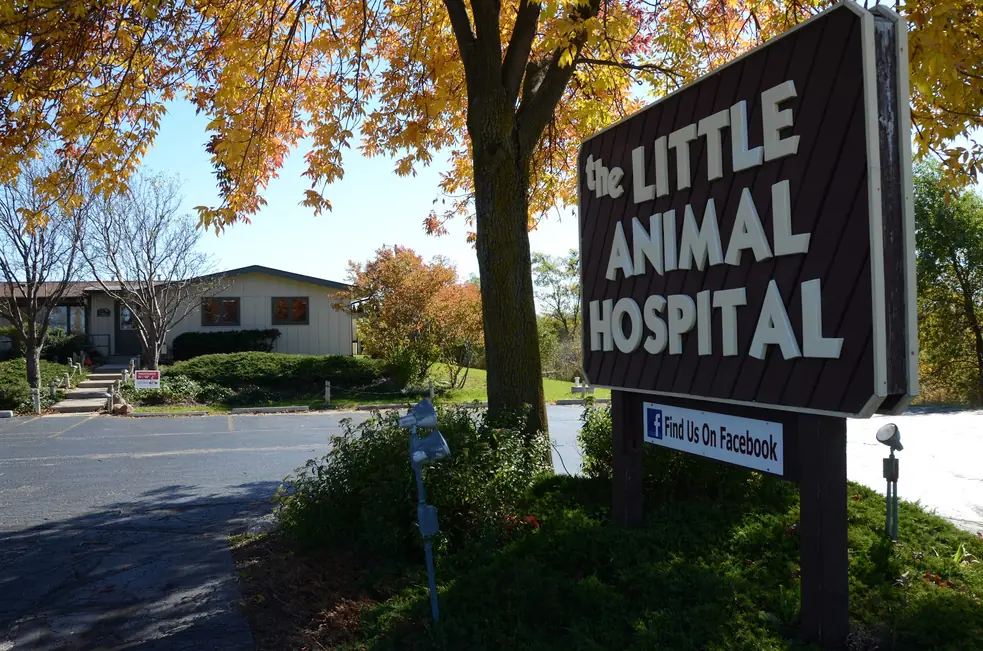
This is general guidance from the team at The Little Animal Hospital, not a diagnosis. The clinic does not run an emergency or after-hours service. When it is closed, serious cases go to a specialty or emergency hospital, and the clinic's own resource list names them.
Signs that cannot wait
Veterinarians widely agree that the following situations need immediate attention. If you see any of them, don't wait to see if it passes:
- Trouble breathing: gasping, open-mouth breathing in a cat, blue or gray gums, or breathing that looks like hard work.
- Collapse, sudden weakness, or being unable to stand.
- Suspected poisoning: chocolate, rat or mouse bait, antifreeze, xylitol sweetener, human medication, certain plants, or anything else toxic that your pet may have swallowed.
- Bleeding that doesn't stop, or a deep wound.
- Repeated vomiting, especially with weakness or a swollen belly, or vomiting that contains blood.
- Straining to urinate or passing little or no urine. This is especially serious in male cats and can become life threatening quickly.
- Seizures, or a head that is tilted with loss of balance.
- A hard, swollen or painful belly, particularly in a large dog that is retching without producing anything.
- Hit by a car, a hard fall, or a bite from another animal, even if your pet seems fine afterward.
- Signs of heatstroke: heavy panting, drooling, a bright red tongue, or collapse after time in heat or a parked car.
- Eye injuries, or a sudden change in the look of an eye.
If you are unsure, treat the situation as serious and make a call. A call that turns out to be unnecessary is a far better outcome than waiting too long.
Where to go when the clinic is closed
The Little Animal Hospital's resource list includes two emergency contacts for the area: Lakeshore Veterinary Specialists in Port Washington and Wisconsin Veterinary Referral Center in Grafton. The clinic also lists other specialty and emergency hospitals in southeastern Wisconsin. You'll find the full list on the Resources page at /resources.
Save the phone numbers in your phone now, from their own websites, while you're calm. Call before you drive. Confirm they are open and able to see your pet, and ask for directions if you aren't sure of the route. Calling ahead also lets the team prepare for your arrival.
If your pet may have been poisoned
Poison cases are time sensitive, and the right response depends on what was swallowed. The Pet Poison Helpline is a resource the clinic lists for exactly this situation, and the ASPCA also maintains an animal poison control service. Both are linked from the Resources page at /resources.
Before you call, gather what you can: the container or packaging, the name of the product, roughly how much your pet may have eaten, and when. Take the packaging with you to the hospital. Do not make your pet vomit unless a veterinary professional tells you to. Some substances do more harm coming back up, and the wrong method can hurt your pet.
Getting your pet there safely
A hurt animal can bite or scratch even if it has never done so before, so move slowly and protect yourself. Cats go into a carrier, ideally wrapped in a towel. Small dogs can ride in a carrier or a box. Larger dogs may need a second person and a blanket or board as a stretcher if they can't walk. Keep your pet warm, keep movement to a minimum, and ask someone else to drive if you can so you can stay with your animal.
Do not give human pain medication or any home remedy on your own. Many common human medicines are toxic to dogs and cats, and a well-meant dose can make a bad situation worse.
During clinic hours, call us first
Not everything unusual is an emergency, and not every emergency happens at night. When the clinic is open, call (262) 284-0400 and describe what you are seeing to the person who answers. Hours are Monday, Wednesday and Friday from 8 to 5, Tuesday from 8 to 6, Thursday and Saturday from 8 to noon, and closed on Sunday. The team can tell you whether your pet should be seen at the clinic or sent straight to a specialty hospital.
Keeping a list of emergency contacts on the refrigerator, and a carrier you can find in the dark, takes five minutes. The Little Animal Hospital is at 2590 Highway 32 in Port Washington, and for questions about your pet's regular care you can also write through /contact.
The Little Animal Hospital, (262) 284-0400
Call (262) 284-0400More articles
How to Get a Nervous Dog or Cat to the Vet Without a Fight
Most of a calm vet visit is decided at home, in the car and in the first five minutes through the door.
What a Yearly Wellness Exam Checks, Nose to Tail
A yearly exam is the best chance to catch small changes before they turn into big problems.