What a Yearly Wellness Exam Checks, Nose to Tail
A yearly exam is the best chance to catch small changes before they turn into big problems.
October 16, 2026 · 4 min read
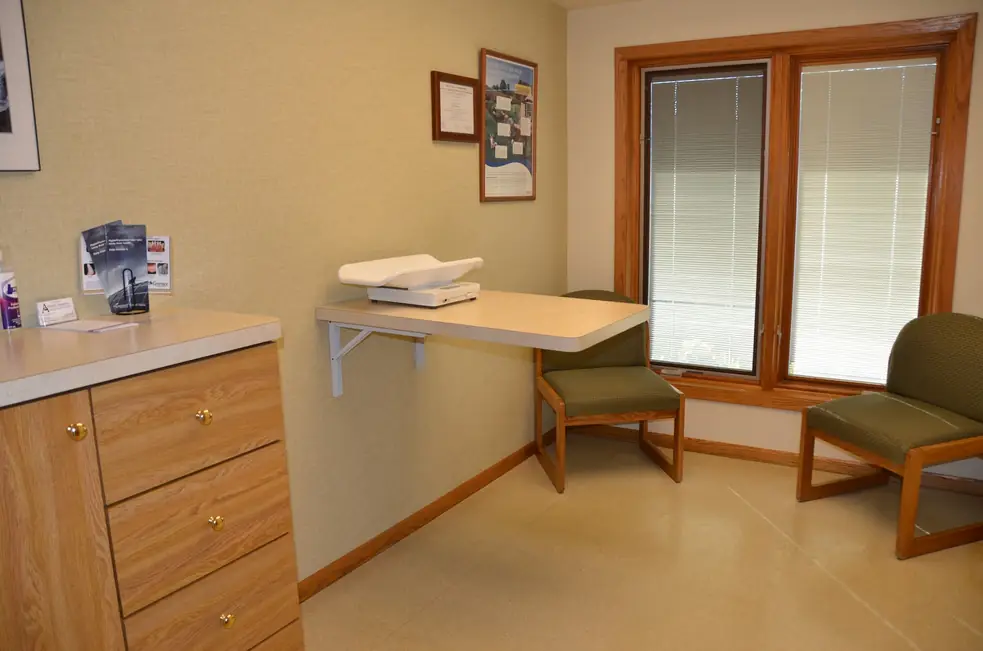
A pet who eats well and plays hard can still be carrying a problem you can't see. Animals instinctively hide discomfort, and by the time a dog limps or a cat stops using the litter box, a condition has often been quietly building for months. The yearly wellness exam exists to find what a loving owner at home can't, and to find it early.
At The Little Animal Hospital, preventative care and client education sit at the center of the practice. Yearly wellness examinations, lifestyle appropriate vaccinations, dental care and good nutrition are the foundation for a pet's long-term health. Here is what that looks like in the exam room.
Why every year matters more than it seems
A year in a dog's or cat's life covers far more change than a year in ours. Pets age faster, and an older pet can shift from healthy to sick in a short span. Seeing your pet once a year lets the doctor compare this year's findings to last year's: weight, heart sound, gum color, the feel of the joints. Small trends show up that nobody would notice from one visit alone.
Yearly visits also keep the doctor familiar with your pet when it is healthy, which makes an abnormal finding easier to spot.
The hands-on exam, from nose to tail
The exam begins with your history. The doctor will ask about appetite, thirst, energy, bathroom habits, coughing, scratching and behavior. Your answers steer what comes next, so say everything, even details that seem too small to mention. Then the physical exam runs through the body in order:
- Eyes: clarity, discharge, redness, and how the pupils respond to light.
- Ears: wax, odor, redness, and signs of infection or mites.
- Nose and mouth: nasal discharge, gum color, tartar, loose teeth, and growths along the gums.
- Heart and lungs: listening for murmurs, irregular rhythm and noisy breathing.
- Abdomen: feeling the belly for pain, enlarged organs, or masses.
- Lymph nodes, skin and coat: lumps, parasites, dandruff, hot spots, and changes in hair quality.
- Joints, muscles and spine: stiffness, pain on movement, and how your pet walks.
- Weight and body condition: whether your pet is gaining or losing, and what that means for the diet.
None of this hurts. For most pets it takes a few minutes, and the doctor often explains each step as it goes. If your pet is nervous, say so at the start. The team can slow down and adjust.
Vaccines chosen for your pet's actual life
Vaccination is not a one-size-fits-all list. A dog that spends weekends in the woods or at boarding facilities has different exposure from a dog that rarely leaves the backyard. A cat who goes outdoors faces different risks from a strictly indoor cat. The clinic's approach is lifestyle appropriate vaccination, which means talking through where your pet goes, who it meets and what it might be exposed to, then choosing what makes sense for that animal.
Bring your pet's vaccine history, and mention travel plans or new pets in the house.
Tests that look below the surface
A physical exam can only reveal so much. When the doctor wants a closer look, the clinic runs a range of routine diagnostic tests, including blood profiles, urine studies and intestinal parasite screens. Blood work gives a picture of how organs like the kidneys and liver are working. Urine studies can point to infection, kidney trouble or diabetes. A parasite screen on a stool sample catches intestinal worms that never show on the outside.
For pets that need more, the clinic also offers digital whole body and dental x-ray, ultrasound, blood pressure measurement and EKG. Not every pet needs these at every visit. The point of a yearly exam is that the doctor can decide when a test adds something, instead of guessing. The full list is on the Diagnostics and Medicine page at /services/diagnostics-and-medicine.
For senior pets, baseline blood work is especially useful. Having healthy numbers on file means that a future change stands out clearly.
Diet, behavior and the questions you've been saving
The wellness visit is also a conversation. Bring up what you've been wondering about: how much to feed, whether your pet is a healthy weight, why the cat yowls at night, why the puppy chews everything. The staff are glad to address any concern, including diet and behavior, and the goal is for you to leave with a clear plan.
If you feed more than one pet, or you have switched foods recently, bring the labels. Nutrition is one of the few parts of pet care that you control daily, and small adjustments to portion or formula often matter more than owners expect.
Dental health is part of every wellness exam too. The doctor looks for tartar, red or swollen gums and broken teeth. Dental disease is common and easy to overlook, because pets keep eating through discomfort. If the exam turns up a problem, you can plan a cleaning on your own schedule. The page at /services/dentistry explains what a cleaning involves.
Scheduling the yearly visit
The easiest way to remember is to tie the exam to a date, like your pet's birthday or the month you adopted. Call The Little Animal Hospital at (262) 284-0400 to make an appointment, or send a request through /contact. The clinic is at 2590 Highway 32 in Port Washington and has served pets in southeastern Wisconsin since 1986. Bring your questions, your pet's records, and a list of anything you've noticed at home, and the team will take it from there.
The Little Animal Hospital, (262) 284-0400
Call (262) 284-0400More articles
How to Get a Nervous Dog or Cat to the Vet Without a Fight
Most of a calm vet visit is decided at home, in the car and in the first five minutes through the door.
Pet Dental Disease: Signs at Home and What a Cleaning Involves
Our pets can't tell us when their teeth hurt, so the signs fall to us to notice.