Pet Dental Disease: Signs at Home and What a Cleaning Involves
Our pets can't tell us when their teeth hurt, so the signs fall to us to notice.
October 16, 2026 · 4 min read
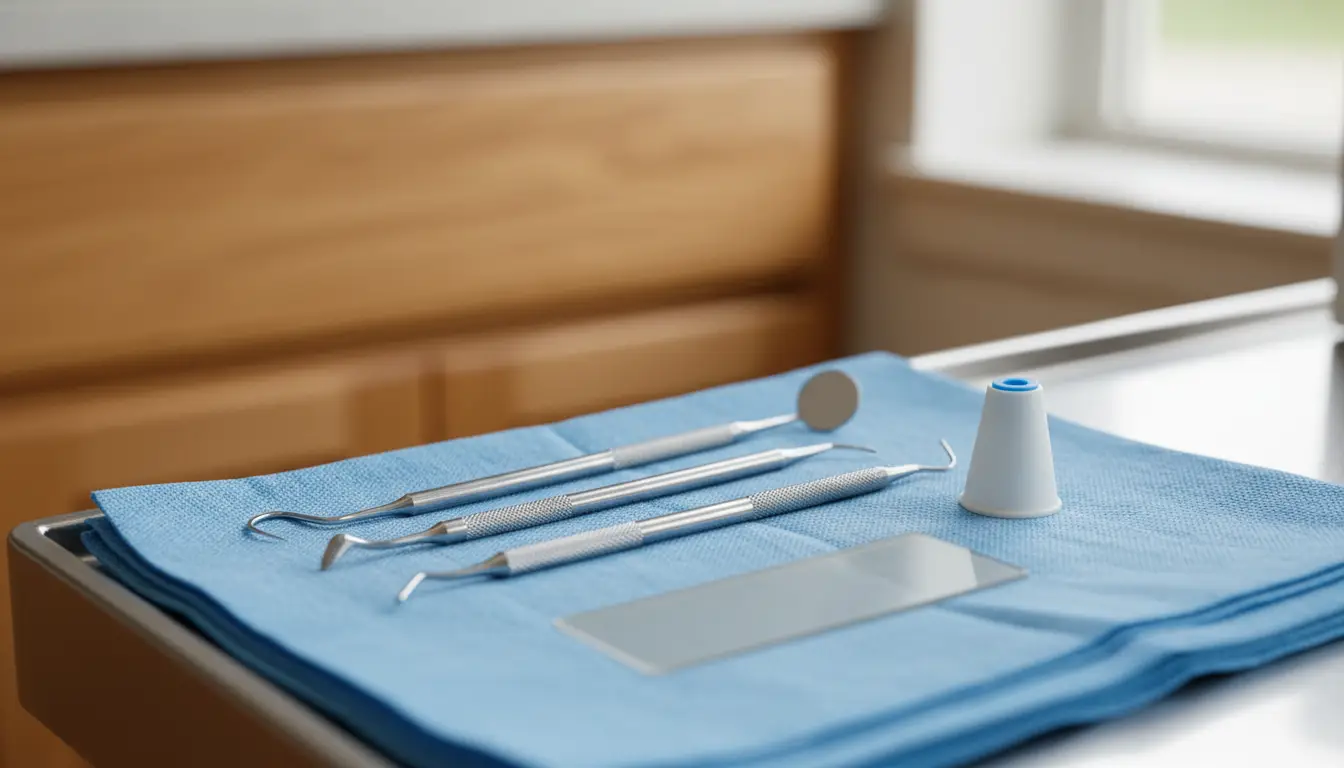
Our pets can't tell us when their teeth hurt. A dog with a sore mouth still greets you at the door, and a cat with an infected tooth still jumps into your lap. Animals hide pain, and they keep eating because they have to. That makes dental disease one of the most common health problems in dogs and cats, and one of the most often missed.
The good news is that several signs are visible to anyone willing to take a look, and the treatment is well understood. Here is what to watch for at home and what happens when your pet comes to The Little Animal Hospital for a dental visit.
Signs you can see at home
Lift your pet's lip gently once a week, in good light, and look at the teeth and gums. Over time you'll learn what normal looks like, and changes will stand out. Warning signs include:
- Breath that smells foul or has gotten noticeably worse. A mild odor is normal, but a strong smell often means bacteria and infection.
- Yellow or brown buildup along the gum line. That crust is tartar, and it traps more bacteria against the gums.
- Gums that look red, swollen, or bleed when touched.
- Drooling more than usual, or drool that looks pink or has an odor.
- Dropping food, chewing on one side, or swallowing kibble whole instead of crunching.
- Pawing at the mouth, rubbing the face on the carpet, or pulling away when you touch the muzzle.
- Losing interest in hard treats, chew toys or a favorite game of tug.
- Loose, broken or missing teeth.
- Swelling on the face, often just under the eye, which can signal a tooth root abscess.
Cats are especially good at hiding dental pain. A cat may simply groom less, become irritable, or lose weight slowly. If your cat's coat looks unkempt or the appetite has changed, a mouth exam is worth asking about.
Why dental disease matters beyond the mouth
Periodontal disease starts when plaque hardens into tartar and bacteria work under the gum line. Left alone, it destroys the tissue and bone that hold the teeth in place. The result is pain, infection and eventually lost teeth. Bacteria from a diseased mouth can also enter the bloodstream, and veterinarians widely recognize that chronic dental infection can put strain on other organs. Treating the mouth is part of treating the whole pet.
Before the cleaning, and why it happens under anesthesia
A dental visit starts with an exam and a conversation. The doctor looks at the mouth, discusses what you've seen, and decides whether a cleaning is needed. Because a dental cleaning is done under anesthesia, the team will usually want recent blood work first, to check how your pet's organs are handling things. You'll get instructions about food and water before the appointment, so follow them exactly, and tell the staff about every medication your pet takes.
Some owners wonder why their pet can't simply be held still. The reason is that the most important part of a cleaning is invisible. Tartar and infection collect beneath the gum line, where a fully awake animal will not allow scaling tools. Anesthesia also protects the airway with a breathing tube, so water and debris from cleaning don't reach the lungs, and it lets the team examine every tooth and take x-rays without stress or pain.
The clinic uses anesthesiologist-recommended protocols and monitoring equipment, and its certified veterinary technicians are responsible for monitoring each pet before, during and after the procedure. That means a trained person watching your pet's status the whole time.
What the cleaning itself includes
A professional cleaning goes well past brushing. The steps typically include a full oral exam, with each tooth checked and any pockets or problem areas noted. Digital dental x-ray shows the roots and bone under the gums, which is where a lot of disease hides. Next comes scaling to remove tartar above and below the gum line, then polishing, which smooths the tooth surface so plaque has a harder time sticking.
If the doctor finds periodontal disease, it can be treated during the same visit. If a tooth is too damaged to save, the clinic can perform extractions when necessary. Pulling a diseased tooth ends the pain and removes the source of infection. Ask the team to explain any findings and what they recommend.
Home care keeps the results
A cleaning resets the mouth, but plaque begins building again right away. The clinic's staff teach dental home care programs for pets, and they'll show you what suits your animal. For many dogs and cats, daily or regular brushing with a toothpaste made for pets is the single most effective step. Never use human toothpaste, which is not meant to be swallowed. Dental diets and chews can help for some pets, and the staff can tell you which ones are worth buying.
Start slowly. Let your pet lick the paste off your finger, then touch the outside of the teeth, and work up to a soft brush. A few calm seconds each day beat a fight once a week.
If you've noticed any of the signs above, or you can't remember when your pet's teeth were last examined, call The Little Animal Hospital at (262) 284-0400 or write through /contact. You can read more about the service at /services/dentistry. The clinic is at 2590 Highway 32 in Port Washington, and a short exam is the simplest way to learn what is going on in your pet's mouth.
The Little Animal Hospital, (262) 284-0400
Call (262) 284-0400More articles
How to Get a Nervous Dog or Cat to the Vet Without a Fight
Most of a calm vet visit is decided at home, in the car and in the first five minutes through the door.
What a Yearly Wellness Exam Checks, Nose to Tail
A yearly exam is the best chance to catch small changes before they turn into big problems.