Before and After Your Pet's Surgery: What to Expect
Good surgical care begins with tests the day before and continues at your kitchen table.
October 16, 2026 · 4 min read
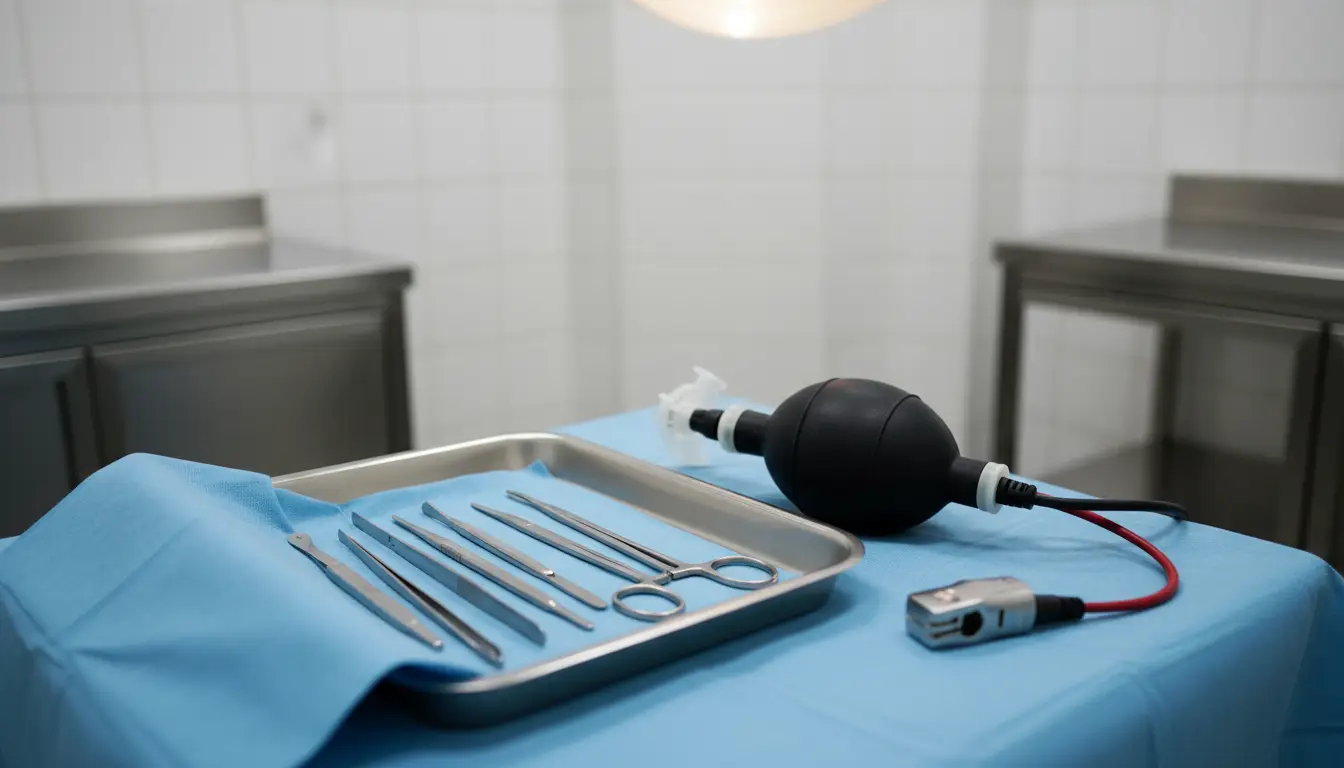
Sending your pet into surgery is stressful, even when the procedure is routine. Owners picture everything that could go wrong, and most of the worry comes from not knowing what the day involves. Knowing the steps makes it easier. This guide covers what a surgical visit at The Little Animal Hospital looks like, from the tests beforehand to the care you'll give at home.
The procedures the doctors perform
The clinic's doctors perform general surgeries such as spays, neuters and growth removals. They also remove foreign objects from the digestive tract and stones from the urinary bladder, and they treat abscesses and lacerations. Cases that need more advanced care are referred out. The doctors consult with board certified specialists at the University of Wisconsin veterinary school, and they send cases to specialists when that is the right call for the animal.
You'll find an overview of the service at /services/surgery.
Why blood work comes before anesthesia
Before any anesthetic procedure, the clinic runs blood profiles to evaluate your pet's internal health and anticipate potential risks. This matters because anesthesia puts demands on the liver, the kidneys and the heart, and a pet can look perfectly healthy while one of those organs is struggling. A blood profile can reveal that, and it lets the doctor adjust the plan or decide whether surgery should wait.
It is also one of the most useful records you can have. Healthy numbers before surgery give a baseline that makes any future change easier to interpret. If your pet has been seen recently, ask whether recent results can be used, and let the doctor decide.
The night before and the morning of
The clinic will give you instructions about food and water before surgery, and those instructions are specific for a reason. Follow them exactly. Do not guess, and do not give a little breakfast because your pet looks hungry. If your pet gets into food by accident, call right away and say so. It is far better to postpone than to put an animal under anesthesia on a full stomach.
Bring a list of everything your pet takes: medications, supplements, flea and heartworm preventives, and any special food. Mention any recent illness, vomiting, coughing or change in behavior. Bring a leash or a carrier, and arrive calm. Your mood travels down the leash.
Use drop-off to ask questions. Ask who will be with your pet, how you'll hear when it's over, and what going home looks like.
Who watches your pet during the procedure
The clinic uses anesthesiologist-recommended protocols and monitoring equipment. Its certified veterinary technicians are responsible for monitoring the status of each pet before, during and after an anesthetic procedure. In plain terms, a trained person is watching your pet's heart rate, breathing and other signs from the time the procedure begins until your pet is awake enough to go home.
That monitoring continues after the surgery itself. Waking up from anesthesia is one of the most delicate parts of the day, and it is the reason a pet isn't simply handed back the moment the last stitch is placed. The team keeps watching until your pet is stable.
Caring for the incision at home
Each pet goes home with written instructions from the doctor, and those come first. The following general points apply to almost every surgical incision:
- Keep the incision clean and dry. No baths, swimming or wet grass unless the doctor says it's fine.
- Stop licking and chewing. Licking can open the incision or introduce infection, so keep the cone or other protective collar on whenever you can't watch your pet directly.
- Look at the incision once or twice a day. A little pinkness along the edge can be normal, but increasing redness, swelling, heat, discharge, a bad smell, or edges that begin to separate are reasons to call.
- Restrict activity as instructed. Running, jumping on furniture and rough play can strain the stitches. Use a leash for bathroom breaks, and keep a cat indoors.
- Do not apply creams, ointments or home remedies to the incision unless the doctor tells you to.
- Give medications exactly as directed and for the full course, and don't give any human pain medication. Many are dangerous for pets.
- Keep other pets from licking or playing with your recovering animal.
If your pet needs a prescription after surgery, the clinic's online pharmacy is linked from its website.
What recovery looks like, and who to call
Every pet recovers at its own pace, and that depends on the animal, the procedure and the individual. Some are back to their normal selves quickly, others stay sleepy and sore for a while. The doctor will tell you what to expect for your pet, and a call to the clinic is always better than wondering. Watch appetite, energy and bathroom habits, and tell the team about anything that seems off.
Most of recovery is simple but demanding: keep your pet quiet, keep the incision protected, and keep the follow-up appointment if one is scheduled.
If surgery is on the calendar and you'd like to talk through the plan, call The Little Animal Hospital at (262) 284-0400 or reach out through /contact. The clinic is at 2590 Highway 32 in Port Washington. The team would much rather answer ten questions in advance than have you worry through the day alone.
The Little Animal Hospital, (262) 284-0400
Call (262) 284-0400More articles
How to Get a Nervous Dog or Cat to the Vet Without a Fight
Most of a calm vet visit is decided at home, in the car and in the first five minutes through the door.
What a Yearly Wellness Exam Checks, Nose to Tail
A yearly exam is the best chance to catch small changes before they turn into big problems.